
What Are AI Toys? Understanding the Technology and Market Opportunity
| AI toys are transforming familiar playthings into responsive, personalized companions. Here is what defines the category, why it is attracting global attention, and what brands should consider before entering the market. |
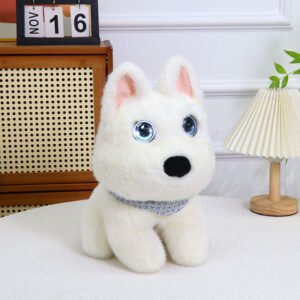
From Pre-Recorded Responses to Open-Ended Interaction
Traditional electronic toys usually follow a fixed script: press a button and the toy plays a recorded sound, song, or sentence. An AI toy goes further. It combines a physical product—such as a plush animal, doll, robot, or interactive character—with microphones, speakers, sensors, connectivity, and intelligent software. The result is a toy that can listen, interpret a request, generate a relevant response, and continue a conversation instead of simply repeating the same content.
In a typical voice-based AI toy, the microphone captures the user’s speech, speech-recognition technology converts it into text, and an AI model determines an appropriate answer. Text-to-speech technology then turns that answer into a natural voice. Depending on the product, the system may also use touch, motion, lights, screens, facial expressions, or mechanical movement to make the interaction feel more alive.
Not every AI toy needs the same level of technology. Some focus on storytelling and language learning. Others are designed as character companions, educational assistants, screen-free play devices, or interactive pets. The best design begins with a clear user experience and then selects only the hardware and software needed to support it.
Why the Category Is Gaining Momentum
Several consumer trends are supporting the development of AI toys. Families are looking for engaging alternatives to passive screen time. Children increasingly expect products to respond to their individual interests. Brands want characters that can remain relevant after the initial purchase, while adult consumers are showing growing interest in collectibles, emotional-design products, and digital companions with a physical presence.
Personalization is one of the strongest opportunities. An AI toy can offer different characters, languages, voices, stories, and conversation styles without requiring an entirely new physical product for every market. This allows a brand to build one core hardware platform and create multiple experiences around it. It can also make localization more meaningful: the toy can speak the customer’s language, reflect local culture, and deliver content suited to a particular audience.
The broader toy market is also rewarding products that combine learning, creativity, emotional engagement, and collectability. AI can strengthen each of these areas when it is integrated thoughtfully. Instead of being a technology added only for novelty, it can become part of the product’s personality and long-term value.
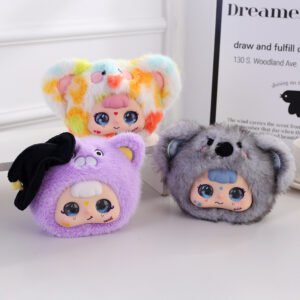
Where the Market Opportunity May Develop
Children’s companion toys remain an important application, particularly for storytelling, language practice, curiosity-led learning, and imaginative play. However, the market is expanding beyond children. AI pets can appeal to teenagers and adults who enjoy character-based products, desk companions, or collectible designs. Voice companions for older adults may support conversation, reminders, entertainment, and family connection when designed with appropriate accessibility and safeguards.
There is also a strong business-to-business opportunity. Retailers, entertainment companies, educational brands, museums, hospitality businesses, and intellectual-property owners can transform their characters or content into interactive physical products. For these customers, the most valuable supplier is not simply a plush-toy factory or an electronics vendor, but a development partner that can coordinate appearance, materials, electronics, firmware, AI services, testing, packaging, and production as one connected project.
For international brands, flexible AI architecture is especially important. Language support, cloud regions, model selection, content control, operating costs, and privacy requirements may differ by market. A product designed for global sales should consider these factors from the beginning rather than treating localization as a final-stage translation task.
Growth Must Be Built on Trust
The future of AI toys is promising, but the category will not grow through technology alone. Reliability, safety, privacy, and age-appropriate design are essential. A toy must hear users clearly, respond with acceptable latency, recover from network interruptions, manage battery life, and deliver consistent audio quality. For products intended for children, brands also need responsible content controls, clear privacy practices, secure data handling, parental guidance, and compliance with the regulations of each target market.
Successful AI toys should never pretend that artificial intelligence has human feelings or replace real relationships. Their role is to enrich play, encourage imagination, support useful interaction, and create moments of connection. Transparent product communication is therefore just as important as attractive design.
The market outlook is strongest for companies that combine creative character development with dependable engineering and responsible product design. As AI services become more capable and hardware platforms become more accessible, the barrier to creating prototypes will continue to fall. The real competitive advantage will come from turning those prototypes into safe, distinctive, manufacturable products that customers want to use repeatedly.
The Next Generation of Play
AI toys represent a shift from products that only perform to products that can participate. They can listen, respond, remember approved preferences, adapt content, and give a physical character an evolving personality. This creates room for new brands, new play patterns, and new forms of companionship.
For companies considering the category, now is the right time to explore product positioning, target users, and technical feasibility. The winners will not necessarily be the toys with the most complicated technology. They will be the products that combine a lovable physical design, a clear purpose, a reliable experience, and an AI personality people genuinely enjoy meeting again.